Back to Blog

What is the role of Serpentine Belts: Function, Replacement, and Tips

06/19/2024
    What is the role of Serpentine Belts: Function, Replacement, and Tips Image

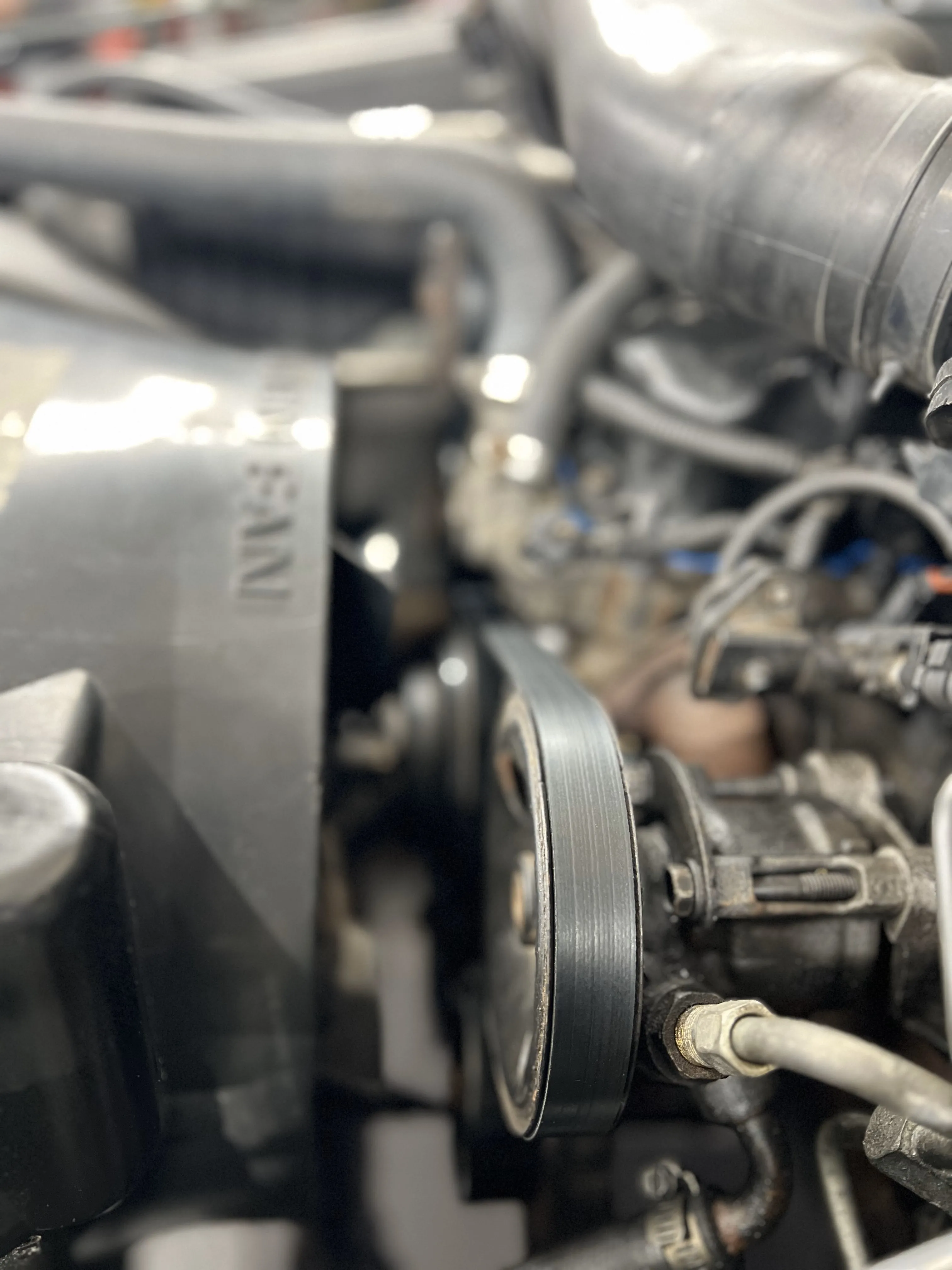
    The serpentine belt is a crucial component of your vehicle's engine. It gets its name because it snakes around several parts, powering them as it moves. Here’s a simple breakdown of its role, function, replacement process, and some helpful tips.

    Role and Function

    Role: The serpentine belt transfers power from the engine's crankshaft to various accessories. It keeps these accessories running smoothly, which are essential for your vehicle's operation.

    Function: The serpentine belt powers several important parts of your vehicle, including:

    • Alternator: Keeps the battery charged and powers the electrical system when the engine is running.
    • Power Steering Pump: Assists in making steering easier and more responsive.
    • Air Conditioning Compressor: Powers the air conditioning system, keeping you cool in hot weather.
    • Water Pump: Circulates coolant through the engine to prevent overheating (in some vehicles).
    • Other accessories: Depending on the vehicle, it might also power the cooling fan, air pump, and more.

    Replacement

    When to Replace: Over time, the serpentine belt can wear out, crack, or become frayed. It's generally recommended to check the belt every 60,000 to 100,000 miles or as specified in your vehicle’s manual.

    Signs It Needs Replacement:

    • Squealing noise from the front of the vehicle.
    • Power steering and AC not working.
    • Engine overheating.
    • Visible cracks, fraying, or glazing on the belt.

    Replacement Process:

    1. Safety First: Make sure the engine is off and cool. Disconnect the battery for extra safety.
    2. Locate the Belt: Open the hood and find the serpentine belt. You might need to consult your vehicle’s manual.
    3. Release Tension: Use a wrench to turn the tensioner pulley and release the tension on the belt.
    4. Remove the Old Belt: Slide the belt off the pulleys.
    5. Route the New Belt: Follow the belt routing diagram (usually found under the hood or in the manual) to position the new belt.
    6. Tighten the Belt: Release the tensioner pulley slowly to apply tension to the new belt.
    7. Check Everything: Ensure the belt is seated properly on all pulleys. Reconnect the battery and start the engine to check for proper operation.

    What%20is%20the%20role%20of%20Serpentine%20Belts:%20Function,%20Replacement,%20and%20Tips - Image 2

    Tips

    • Regular Inspections: Check the belt for signs of wear during regular maintenance.
    • Listen for Noises: Squealing or chirping noises can indicate belt issues.
    • Check Tensioner and Pulleys: These components should be in good shape to ensure the belt works properly.
    • Keep a Spare: Having a spare belt in your vehicle can be handy, especially on long trips.
    • Consult a Professional: If you’re unsure about replacing the belt yourself, take your vehicle to a professional mechanic.

    Taking care of the serpentine belt is vital for keeping your vehicle’s engine running smoothly and preventing breakdowns. Regular checks and timely replacements can save you from bigger, costlier repairs down the road.

    Send Us A Message

    *Required
    • What is a Tire Light and Why is it Important? Image

      What is a Tire Light and Why is it Important?

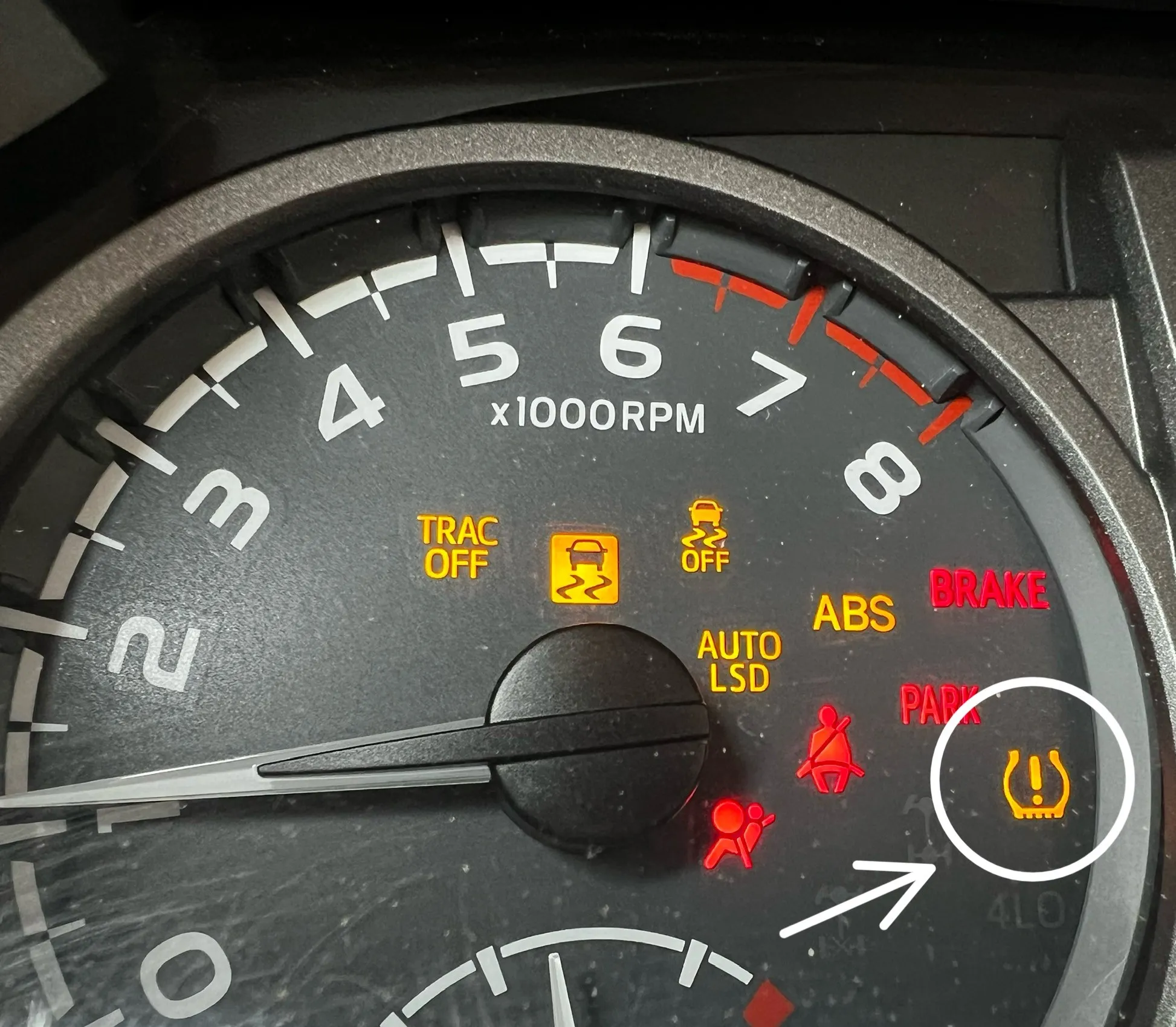
      It’s that time of the year when the mornings are a little cooler, the leaves are starting to change color, and the pumpkin spice lattes are making their annual appearance.  It’s also that time of year when you start your car, and that yellow light screams that the tire pressure is low. It could just be the change in the weather, but there may also be other issues. The Tire Pressure Monitoring System (TPMS) is an important safety feature in modern vehicles. Here's a brief overview of the system and its history:

      History of TPMS

      The Ford Explorer and Firestone Tire Crisis (1990s)

      One of the most significant events leading to the widespread adoption of TPMS was the Ford Explorer and Firestone tire controversy in the late 1990s. The Ford Explorer, a popular SUV at the time, was involved in numerous rollover accidents, many of which were linked to tire blowouts caused by under-inflated Firestone tires.

      • Accidents: Over 270 fatalities and more than 800 injuries were reported in the United States alone. Investigations revealed that low tire pressure was a contributing factor in many of these accidents. Under-inflated tires overheated, leading to tread separation and blowouts, especially at high speeds.
      • Impact: The crisis led to a massive recall of over 14 million Firestone tires and brought attention to the dangers of driving on under-inflated tires. Public outcry and government scrutiny prompted legislative action.

      The TREAD Act (2000)

      In response to the Ford/Firestone debacle, the U.S. Congress passed the Transportation Recall Enhancement, Accountability, and Documentation (TREAD) Act in 2000. This act required the National Highway Traffic Safety Administration (NHTSA) to implement regulations for tire pressure 

      • Mandate: As a result of the TREAD Act, all vehicles sold in the United States from 2007 onwards were required to have TPMS. The goal was to prevent accidents caused by tire blowouts due to low tire pressure, improving overall vehicle safety.

      European Adoption and Incidents

      Similar to the U.S., Europe also faced issues related to tire pressure. Studies and accident reports across various European countries showed that under-inflated tires contributed to many road accidents, often leading to loss of control and rollovers.

      • Adoption of TPMS: European legislation followed the U.S. lead, and by 2014, TPMS became mandatory in all new cars in the European Union. The system was seen as a critical measure to improve road safety across the continent.

      Why These Accidents Highlighted the Need for TPMS

      These accidents underscored the importance of maintaining proper tire pressure. Low tire pressure can cause:

      • Increased Heat Buildup: Under-inflated tires flex more, leading to excessive heat, which can cause the tire to fail.
      • Loss of Vehicle Control: Low tire pressure reduces the tire's grip on the road, especially in adverse conditions, increasing the likelihood of skidding or rollover.
      • Higher Risk of Blowouts: The combination of increased heat and reduced tire integrity can result in sudden blowouts, often at high speeds, with catastrophic consequences.

      Modern-Day Importance

      Today, TPMS helps prevent these kinds of accidents by giving drivers early warnings about tire pressure issues. While it's not a foolproof system, it significantly reduces the risk of driving on dangerously under-inflated tires, making roads safer for everyone.

      The lessons learned from these tragic incidents have led to the widespread use of TPMS, which continues to save lives by alerting drivers before tire pressure becomes a critical safety issue.

      monitoring systems in all passenger vehicles.

       Why Do We Need TPMS?

      TPMS is designed to alert drivers when tire pressure is too low or too high. Proper tire pressure is crucial for:

      • Safety: Reduces the risk of blowouts and accidents.
      • Fuel Efficiency: Helps maintain optimal fuel economy.
      • Tire Longevity: Prevents uneven tire wear, extending the life of your tires.

      Tire Pressure Warning Light

      • Solid Light: When the tire pressure warning light comes on and stays solid, it means that one or more tires are under-inflated or over-inflated. You should check your tire pressures as soon as possible and adjust them to the manufacturer's recommended levels.

      Flashing Tire Pressure Light

      • Flashing Light: If the tire pressure light flashes for about a minute and then stays on, it usually indicates a problem with the TPMS itself, such as a faulty sensor or a dead battery in one of the sensors. This requires professional diagnosis and possibly replacing a sensor.

      Keeping your tire pressure in check is not only about avoiding that warning light—it's about ensuring your safety and getting the best performance out of your vehicle.

      09/05/2024Read more
    • How Does Frame Rust Affect My Car? Image

      How Does Frame Rust Affect My Car?

      Frame rust is a big deal when it comes to vehicle safety and durability. The frame is like the backbone of your car, giving it structural support and holding everything together. Rust on the frame, especially in key areas, can weaken that structure over time. Let’s break it down:

      What Causes Frame Rust?

      Rust happens when metal is exposed to moisture and oxygen, leading to corrosion. It’s more common in areas with harsh winters where roads are salted or near the coast where the air is salty and humid. But even regular wear and tear or poor drainage can cause rust to start forming on a vehicle’s frame.

      The Risks of Ignoring Rust:

      • Structural Weakness: If rust is left untreated, it can eat through the metal, causing holes and weakening the frame. This compromises the entire strength of the vehicle, especially in the event of a collision. The frame may no longer properly support the vehicle’s components, leading to a higher risk of collapse or deformation.
      • Safety Hazards: Rusty frames are a safety concern. If the rust spreads to critical areas like suspension mounts, fuel lines, or even the floor of the car, it can cause mechanical failures. In severe cases, a rusted frame could snap or break, putting you and your passengers at serious risk.
      • Costly Repairs: Small rust spots are much cheaper and easier to fix than larger areas. The longer rust is ignored, the more it spreads and the more expensive repairs become. In some cases, if the rust is too advanced, the vehicle could be deemed unsafe or not worth fixing.

      Addressing Rust:

      • Inspect Regularly: It’s a good idea to regularly check your car’s frame, especially if you live in a high-risk area for rust. Catching rust early means you can take care of it before it gets out of hand.
      • Repair or Replace: Minor rust can often be sanded down and treated with rust-resistant paint. For more significant rust damage, you may need to replace affected parts of the frame or, in extreme cases, the entire frame itself.

      In summary, addressing rust spots or holes sooner rather than later not only saves you money in the long run but also keeps you and your vehicle safe. Ignoring rust can lead to dangerous situations on the road, so regular maintenance is key!

      08/26/2024Read more
    • How Does My Air Conditioning Work? Image

      How Does My Air Conditioning Work?

      Understanding Your Car's Air Conditioning System and the Importance of Professional Maintenance

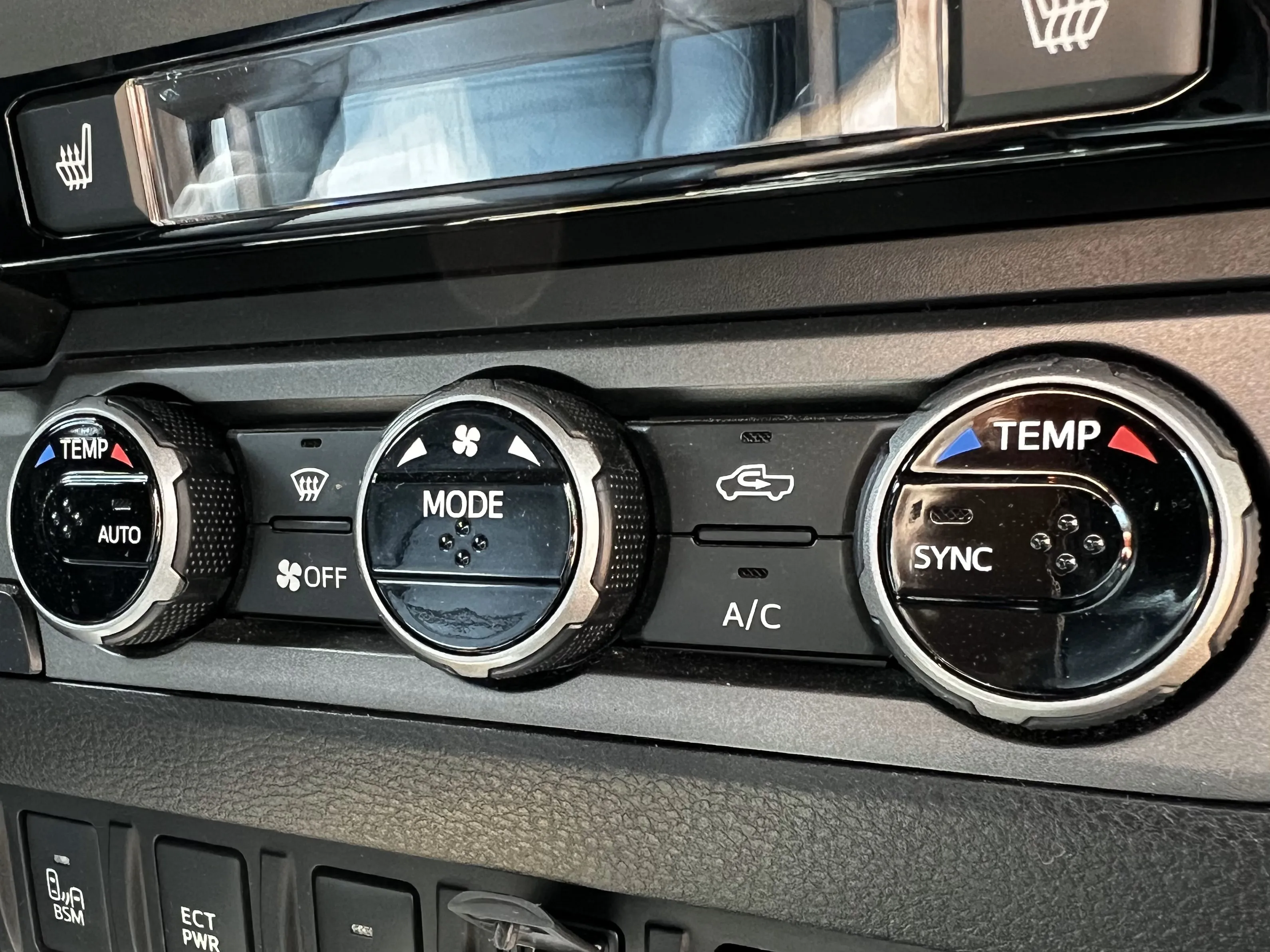
      As summer approaches, having a well-functioning car air conditioning (A/C) system becomes essential. Knowing how your car's A/C works, recognizing signs of malfunction, and understanding the risks of using over-the-counter (OTC) recharge kits can help ensure you stay cool and comfortable on the road.

      How Your Car's Air Conditioning System Works

      The A/C system in your car removes heat from the interior, making the inside cooler. Here’s a simple breakdown of the main components and how they work together:

      1. Compressor: This is the heart of the A/C system, compressing and circulating the refrigerant.
      2. Condenser: Located in front of the radiator, it cools the refrigerant gas into a liquid by releasing heat to the outside air.
      3. Receiver-Drier or Accumulator: This filters the refrigerant, removing moisture and debris.
      4. Expansion Valve or Orifice Tube: It regulates the flow of refrigerant into the evaporator, reducing its pressure and cooling it.
      5. Evaporator: Inside the car, the evaporator absorbs heat from the interior air, cooling it before it’s blown back into the cabin.
      6. Blower Fan: Pushes the cooled air from the evaporator into the car’s interior.

      Signs Your Car’s A/C Isn’t Working Correctly

      Identifying issues early can prevent discomfort and costly repairs. Here are common signs that your A/C system may need attention:

      1. Weak Airflow: Air coming out of the vents is not as strong as it used to be, even at the highest fan setting.
      2. Warm Air: The A/C blows warm or hot air instead of cool air, even when set to the lowest temperature.
      3. Strange Noises: Unusual sounds such as rattling, hissing, or banging when the A/C is turned on.
      4. Bad Odors: Musty or unpleasant smells coming from the vents.
      5. Water Leaks: Puddles of water forming inside the car, often under the dashboard or on the passenger side floor.
      6. Refrigerant Leaks: Visible leaks of refrigerant under the car or greasy residue on A/C components.
      7. Erratic Temperature: Inconsistent cooling, where the air alternates between cold and warm.
      8. Compressor Issues: The compressor clutch doesn’t engage or the compressor makes loud noises.

      The Risks of Using Over-the-Counter A/C Recharge Kits

      While OTC A/C recharge kits may seem like a convenient and cost-effective solution, they come with several potential drawbacks compared to professional repair:

      1. Inaccurate Diagnosis: The problem might be more than just low refrigerant. Issues like leaks, faulty compressors, or clogged components require professional diagnosis.
      2. Risk of Overcharging: Adding too much refrigerant can damage the A/C system, causing high pressure that may lead to compressor failure.
      3. Lack of Proper Equipment: Professional mechanics use tools to detect leaks and other issues accurately. OTC kits don’t usually include leak detection tools.
      4. Potential for Contamination: Introducing air and moisture into the system can cause corrosion and damage. Professional recharging involves vacuuming out these contaminants.
      5. Safety Concerns: Handling refrigerants can be hazardous if not done properly. Professionals are trained to handle and dispose of refrigerants safely.
      6. No Professional Inspection: A mechanic’s inspection can reveal other potential problems that you might not notice. Professional repairs often come with warranties on parts and labor, providing peace of mind.

      Conclusion

      While an OTC A/C recharge kit might offer a quick fix, it comes with significant risks and potential downsides. Understanding how your car’s A/C system works and recognizing the signs of malfunction can help you make informed decisions. Professional repair ensures that the A/C system is properly diagnosed, repaired, and recharged, leading to better performance, longevity, and safety. So, the next time your car’s A/C isn’t performing as it should, consider seeking the expertise of a professional mechanic to keep your rides cool and comfortable.

      08/05/2024Read more
    • What Happens When My Ball Joint Breaks Image

      What Happens When My Ball Joint Breaks

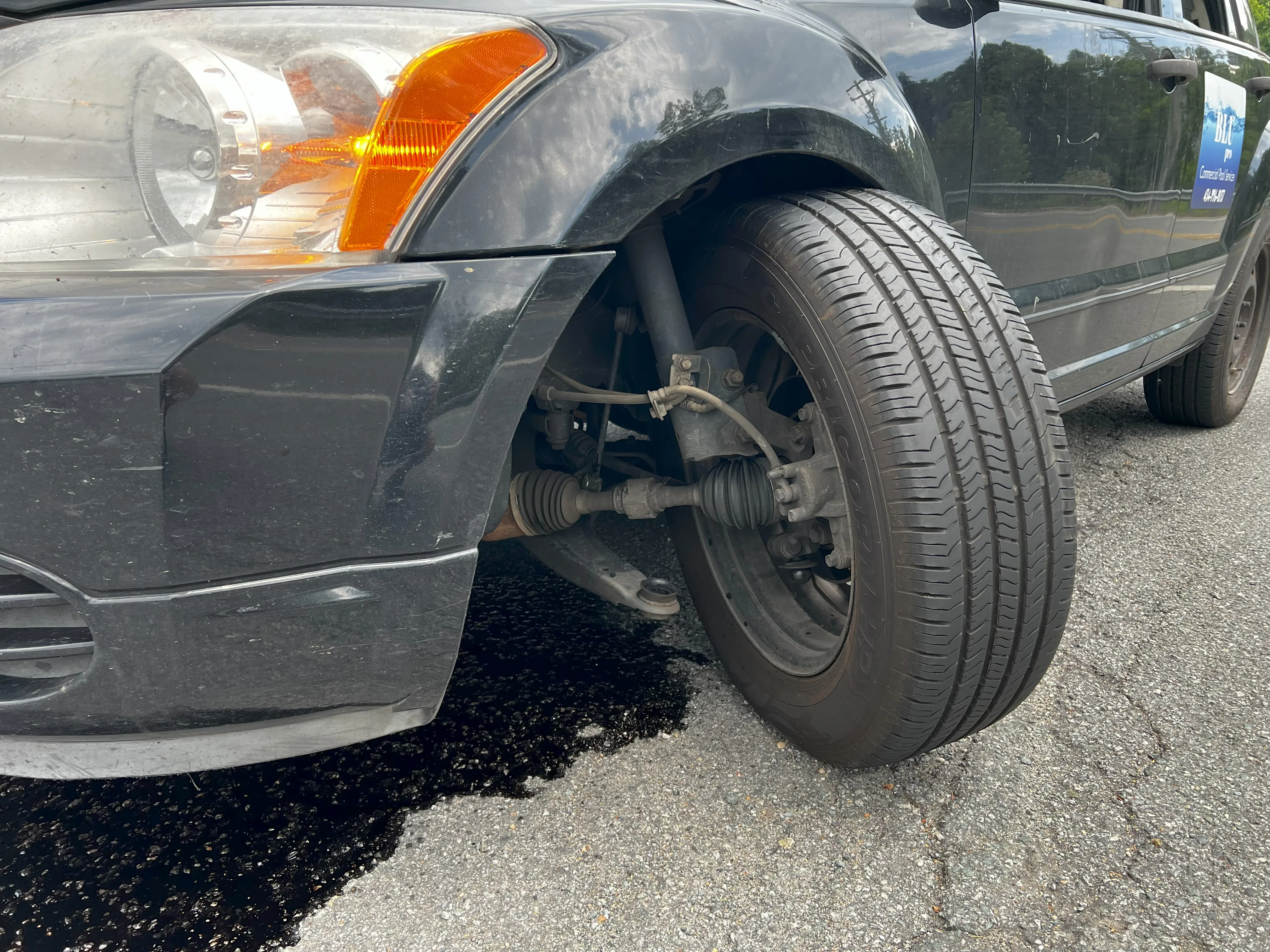
      The suspension ball joint and control arm are crucial components in a vehicle's suspension system, which connects the wheels to the rest of the car. They play a vital role in ensuring a smooth ride, good handling, and safe driving.

      Suspension Ball Joint

      • Connects the Control Arm to the Steering Knuckle: The ball joint allows for smooth movement and pivoting between these parts, enabling the wheels to turn and move up and down over bumps.
      • Flexibility and Movement: It allows the suspension to move up and down while the wheels steer, which is essential for maintaining control of the vehicle.

      Consequences of Ball Joint Failure

      • Loss of Control: If a ball joint breaks, the wheel can move freely in any direction, leading to a complete loss of control over the vehicle. This can cause a serious accident, especially at high speeds.
      • Tire Damage: A broken ball joint can cause the tire to tilt and wear unevenly or even blow out, further compromising safety.

      Signs of a Bad Ball Joint

      • Clunking Noises: You might hear clunking or knocking sounds from the front suspension when going over bumps or making turns.
      • Uneven Tire Wear: If the ball joint is worn out, it can cause the tires to wear unevenly, especially on the inside or outside edges.
      • Vibration: You might feel vibrations in the steering wheel, especially when driving over rough surfaces.
      • Poor Handling: The vehicle may start to feel loose or wander on the road, making it harder to control.

      Control Arm

      • Connects the Frame to the Wheels: The control arm holds the wheels to the frame and helps manage the up-and-down motion of the suspension.
      • Houses the Ball Joint: The control arm typically holds the ball joint, allowing for the wheel's pivot and movement.
      • Absorbs Impact: It absorbs shocks from the road, contributing to a smoother ride.

      Consequences of Control Arm Failure

      • Compromised Alignment: If the control arm fails, the vehicle's alignment can be thrown off, leading to poor handling and increased tire wear.
      • Reduced Stability: A broken control arm can severely reduce vehicle stability, making it unsafe to drive.

      Signs of a Bad Control Arm

      • Clunking Noises: Similar to a bad ball joint, you might hear clunking sounds, especially when hitting bumps or making sharp turns.
      • Steering Problems: The vehicle may pull to one side, or the steering may feel loose or less responsive.
      • Vibration: You might feel vibrations through the steering wheel or the chassis.
      • Visible Damage: In some cases, you might see visible damage or wear on the control arm or its bushings.

      Regular maintenance and inspections are essential to ensure these components are in good condition. Replacing them before they fail can prevent accidents and keep your vehicle running smoothly and safely.

      07/24/2024Read more
    • How can I protect my car during the Summer Heat? Image

      How can I protect my car during the Summer Heat?

      With much of the nation under heat advisories, we all need to take care of ourselves and our pets. We look after the elderly and young children to make sure they are getting enough water and staying cool in the high temperatures. We also need to consider our car during the hot summer months. Taking care of your car during the summer heat is essential to ensure it runs smoothly and safely. Here are some tips and things to watch for:

      Tips for Maintaining Your Car

      1. Check the Coolant System:

        1. Ensure your coolant levels are adequate and the coolant mixture is correct.

        2. Look for any leaks in the radiator, hoses, and water pump.

        3. Keep an eye on the temperature gauge. If it starts to overheat, turn off the AC and turn on the heater to draw heat away from the engine.

        4. If the temperature doesn’t drop, pull over safely and turn off the engine to cool down.

      2. Monitor Tire Pressure:

        1. Heat can cause the air in your tires to expand, leading to over-inflation.

        2. Check your tire pressure regularly and adjust it to the manufacturer's recommended levels.

        3. Replace tires that show significant signs of wear or damage.

        4. Check for proper tire inflation and tread wear to prevent blowouts.

      3. Inspect the Battery:

        1. High temperatures can accelerate the evaporation of battery fluid, which can damage the internal structure.

        2. Keep the battery clean, remove any corrosion, and ensure it's securely mounted.

      4. Air Conditioning System:

        1. Test the air conditioning system to ensure it’s working properly.

        2. If it's not cooling as it should, have it checked for refrigerant leaks or other issues.

      5. Oil and Fluids:

        1. Check all fluids, including engine oil, transmission fluid, brake fluid, and windshield washer fluid.

        2. Summer heat can cause these fluids to deplete faster.

      6. Belts and Hoses:

        1. Inspect for any signs of wear and tear.

        2. The heat can cause these components to crack and fail more easily.

      Safety and Protection

      1. Sun Protection:

        1. Use a sunshade for your windshield to keep the interior cooler.

        2. Park in the shade whenever possible to protect the interior and paint.

        3. Always be sure to check the back seat for pets and children. 

      2. Regular Maintenance:

        1. Keep up with regular maintenance schedules to catch any potential issues before they become big problems. 

      3. Emergency Kit:

        1. Ensure your car has a well-stocked emergency kit including water, non-perishable food, a first-aid kit, and basic tools.

        2. Include items like jumper cables, a flashlight, and a multi-tool.


      By following these tips and staying vigilant, you can keep your car in good shape and ensure a safer driving experience during the summer heat.

      07/09/2024Read more
    • What is ADAS and How does it Benefit me? Image

      What is ADAS and How does it Benefit me?

      Advanced driver-assistance systems (ADAS) are technologies in modern vehicles designed to enhance safety and improve the driving experience. Here’s a detailed look at these systems, their benefits, features, potential troubles, and the importance of calibration.

      ADAS Features and Benefits

      1. Adaptive Cruise Control (ACC)
        • Feature: Automatically adjust the vehicle's speed to maintain a safe distance from the car ahead.
        • Benefit: Reduces driver fatigue on long trips and helps maintain a consistent speed.
      2. Lane Departure Warning (LDW) and Lane Keeping Assist (LKA)
        • Feature: LDW alerts the driver if the vehicle begins to drift out of its lane without a turn signal, while LKA gently steers the vehicle back into its lane.
        • Benefit: Helps prevent accidental lane departures, reducing the risk of collisions.
      3. Blind Spot Detection (BSD)
        • Feature: Monitors the blind spots on the sides of the vehicle and warns the driver of any approaching vehicles.
        • Benefit: Enhances safety when changing lanes by reducing the risk of side collisions.
      4. Automatic Emergency Braking (AEB)
        • Feature: Detects an imminent collision with another vehicle or obstacle and applies the brakes automatically.
        • Benefit: Can prevent or reduce the severity of a crash, providing critical support in emergencies.
      5. Parking Assistance Systems
        • Feature: Includes rearview cameras, parking sensors, and automated parking systems.
        • Benefit: It makes parking easier and safer by providing visual and auditory alerts or even automating the parking process.
      6. Traffic Sign Recognition (TSR)
        • Feature: Recognizes traffic signs such as speed limits and displays them to the driver.
        • Benefit: Keeps the driver informed of road conditions and regulations, enhancing compliance and safety.
      7. Driver Drowsiness Detection
        • Feature: Monitors driver behavior and alerts if signs of drowsiness are detected.
        • Benefit: Helps prevent accidents caused by driver fatigue.

      Potential Troubles with ADAS

      1. False Alarms and Unreliable Warnings
        • Sometimes, ADAS can issue false alarms or miss warnings, which can be distracting or give a false sense of security.
      2. Weather and Environmental Conditions
        • Adverse weather conditions like heavy rain, snow, or fog can affect the performance of ADAS sensors and cameras.
      3. Sensor Malfunction
        • Damage or dirt on sensors and cameras can impair system performance. Even minor impacts can misalign sensors, leading to inaccurate readings.
      4. Complexity and Cost
        • The advanced technology in ADAS can be complex and expensive to repair or replace if it malfunctions.

      Importance of Calibration

      Calibration of ADAS is crucial for ensuring these systems function correctly. Here’s why:

      1. Accuracy of Sensors and Cameras
        • Proper calibration ensures that sensors and cameras provide accurate data for the ADAS to work effectively. Misaligned sensors can lead to incorrect system responses, such as false alarms or missed detections.
      2. Safety and Reliability
        • Regular calibration checks are essential for maintaining the safety and reliability of the ADAS, ensuring it performs as intended to protect the driver and passengers.
      3. Post-Repair Calibration
        • After any repair involving the vehicle's structure, such as windshield replacement or bumper repair, ADAS calibration is necessary. Even slight changes in sensor positioning can impact system accuracy.
      4. Routine Maintenance
        • As part of routine vehicle maintenance, periodic calibration of ADAS ensures long-term reliability and performance.

      Conclusion

      ADAS represents a significant advancement in vehicle safety and convenience, providing numerous benefits like collision avoidance, lane-keeping assistance, and parking help. However, these systems require proper maintenance, including regular calibration, to function effectively. Understanding both the benefits and the potential challenges of ADAS helps drivers make informed decisions about their use and maintenance.

      06/24/2024Read more
    •  Image

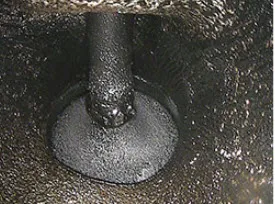
      Why Do Carbon Deposits Form in Modern Engines?

      Carbon deposits are inevitable and many automotive professionals don’t take them seriously because they consider carbon to just be a part of engine operation. But when left untreated, carbon buildup can cost vehicle owners more at the pump, and lead to expensive and labor-intensive repairs.

      What are carbon deposits?


      The carbon deposit in an internal combustion engine is a harmful substance that forms on inside surfaces like an engine crankcase, pistons and piston rings, intake and intake valves, as well as internally and externally on fuel injectors. The substance is formed when oil, oil vapor, and fuel react with hot surface temperatures, extreme pressures, and oxidation. All of which are ever-present in internal combustion engines.

      The science: The formation process can be generalized as the polymerization of carbon molecules into long-chain structures deposited on the surface of an engine component.

      In reality, these deposits reduce the efficiency of your engine and can mechanically hinder the engine components.

      Aren't modern engines more efficient?


      To explain why carbon deposits form in modern engines, here are some facts about the modern internal combustion engine power plant (engine and transmission together).

      First, when is an internal combustion engine the most fuel-efficient?


      In this case, I’m not talking about miles per gallon. I am talking about power (torque) produced by a given air-fuel mixture under a specific engine load and engine speed. This is called brake-specific fuel consumption (BSFC).

      Simply put, the internal combustion engine is more efficient at low engine speed and high load situations. While the BSFC will be slightly different for every engine, generally speaking, the above statement is true.

      What about new, fuel-efficient engine technologies?


      Next, looking at modern power plants inside vehicles today, we see gasoline direct injection (GDI), smaller, downsized, turbocharged engines. Gasoline direct injection offers more control of when and how much fuel is sprayed, which means it can produce maximum torque to do the work necessary to move the vehicle down the road.

      Additionally, 8 and 10-speed transmissions squeeze every bit of power out of the smallest amount of engine displacement as possible by balancing a low engine speed and high engine load. All of these technologies are great at keeping the engine operating close to, or within its brake specific fuel consumption sweet spot (most fuel efficient range).


      The same holds true for combustion engines in hybrid electric vehicles. In fact, the on-off cycling of HEV gasoline engines creates the ideal environment for deposits to form and heat-soak, building on internal surfaces.

      Why do carbon deposits form in modern engines?


      As mentioned above, when an engine operates near its most efficient BSFC, it is under a very high load. When engines are under high load, they operate at much higher temperatures. Under this condition for an extended period, the engine and engine compartment become saturated with heat.

      We know from defining a carbon deposit that it is produced mainly from the interaction of heat. When we put all of the pieces together, it makes sense that carbon deposits form in modern engines.

      1. They operate more efficiently under heavy loads.

      2. Therefore, they produce more heat during operation.


      3. The heat interacts with unburned fuel vapor, evaporated engine oil, and engine oil itself to form carbon deposits.

      To further complicate the issue of carbon deposits, the engine oil used in modern engines also contributes to the problem. Many manufacturers have adopted low viscosity (ie. thinner) engine oils to promote engine efficiency (the thinner the oil the less drag on the engine). While lower viscosity oils make the engine more efficient, they break down and evaporate much quicker. This evaporated oil deposits itself inside all parts of the engine. In many instances, these deposits can develop very quickly.


      How to address carbon deposits in customer engines?


      1. Keep changing oil at OEM recommended intervals. But remember, many vehicle owners are operating their vehicles under what should be considered extreme conditions. In these cases, extended oil change intervals are too long.

      2. Use a high-quality full synthetic oil and an oil additive to reduce oil oxidation and limit the number of deposits from that source.

      3. Recommend they use a top-tier fuel. You can find a list of service stations that participate in top-tier fuel programs online.

      4. Educate your customers about the value of a preventive maintenance program. There are methods of cleaning carbon from the induction system, fuel injectors, and combustion chambers that incorporate special tools and fluids specifically formulated to dissolve carbon deposits so they can be expelled from the engine.


        Key Takeaways

        1. Prevent carbon deposits from forming

        2. Help customers avoid expensive carbon-related repairs


        3. Add carbon deposit removal to the list of required preventive vehicle maintenance tasks

      06/10/2024Read more
    • Snow Tires Versus All-Season Tires Image

      Snow Tires Versus All-Season Tires

      When you're on bare or wet pavement, the right set of all-season tires is designed to keep you safely on the road. They even do okay in mild winter conditions. But when the weather worsens and roads are covered in ice and snow, having the right set of winter or snow tires can help you stay in control of your vehicle. In our area there are years ...

      11/20/2024Read more
    •  Image

      What is Your Backup Plan if Your Car Fails?

      I live in an area where cars are a must. Shopping, getting to work, visiting family, going to dinner or even taking my child to school for example, all require a car. I, like so many others in my area, have become completely dependent on having a working vehicle. What happens when that isn’t an option?

      I know what you are thinking. This is going to be another blog post about maintaining your car. You aren’t completely wrong, but that isn’t the sole purpose of today’s post. I want to get you to think for a few minutes about your backup plan. What do you do when your car leaves you stranded?

      Imagine for a minute your hectic morning. You get up and get yourself ready to go. You’re packing up lunches and backpacks, trying to get the kids out of bed and fed, looking for a lost shoe and somehow get everyone loaded up in the car and are on time. Or so you thought. Great! The car won’t start. What do you do?

      This type of thing happens every day. A dead battery isn’t something that regularly scheduled maintenance would address. Some repair shops will do a complimentary battery test when you get your oil changed, but that isn’t standard practice. A dead battery isn’t your fault necessarily, but it is now your problem. How do you handle this situation? How do you get your kids to school on time and yourself to work?

      Knowing the answers to these questions and having a plan in place can give you some peace of mind and potentially help you with more dire situations like a medical emergency. Everyone’s plan or circumstances will be different. Having a backup plan is the point. Here are some potential backup plans to consider:

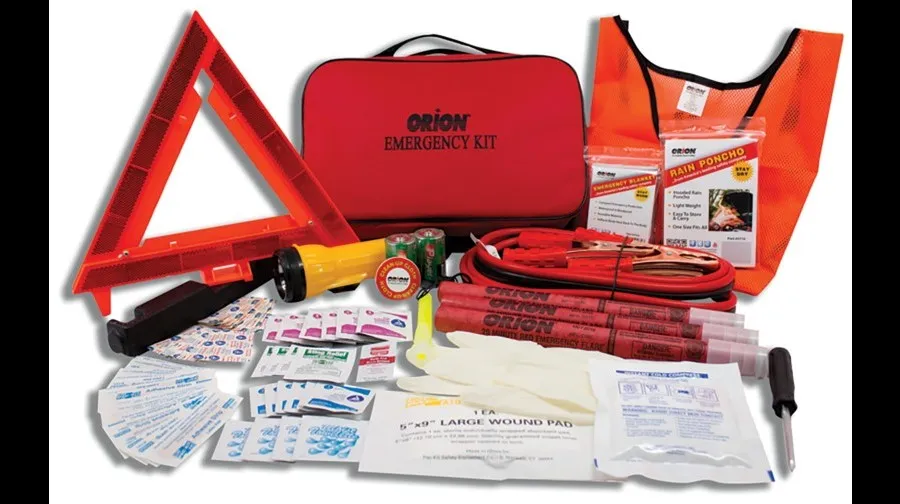
      1. Emergency Kit
      • Essentials: Pack items like a first aid kit, flashlight, extra batteries, bottled water, non-perishable snacks, a blanket, and a phone charger.
      • Tools: Include a tire jack, spare tire, jumper cables, and basic tools.
      1. Roadside Assistance Membership
      • Services: Companies like AAA, Good Sam, and others offer towing, battery jump-starts, tire changes, and lockout services.
      • Coverage: Check what is covered and keep the membership card and contact number in your car.
      1. Know Your Contacts
      • Mechanic: Have the contact information for a reliable local mechanic or auto repair shop.
      • Family and Friends: List a few contacts you can call for a ride or assistance.
      1. Plan Your Routes
      • Maps: Keep a physical map in your car in case GPS or phone service is unavailable.
      • Rest Stops: Know the locations of nearby service stations, rest areas, and towns on your route.
      1. Temporary Transportation
      • Rental Car: Know the nearest car rental services.
      • Ride-Sharing: Apps like Uber or Lyft can provide temporary transportation.
      1. Car Insurance
      • Coverage: Ensure your insurance policy includes roadside assistance or rental car reimbursement.
      • Claims: Familiarize yourself with the claims process and keep the necessary documents in your car.
      1. Maintenance and Inspection
      • Regular Check-ups: Regularly inspect your car and follow a maintenance schedule to prevent breakdowns.
      • Emergency Repairs: Learn basic repair skills like changing a tire or jump-starting a battery.
      1. Communication
      • Phone Charger: Keep a car charger for your phone to ensure you can always call for help.
      • Signal: If in a remote area, know how to signal for help (e.g., flares, reflective triangles).
      1. Alternative Travel Plans
      • Public Transport: Familiarize yourself with local bus or train routes as an alternative.
      • Accommodations: Know nearby hotels or motels in case you need to stay overnight.
      1. Safety Measures
      • Stay With Your Vehicle: If it's safe, stay with your car until help arrives.
      • Visible Location: Pull over to a safe, visible location off the road.

      By preparing these backup plans, you can handle car troubles more effectively and ensure your safety and convenience.

      06/06/2024Read more
    • What things should my New Driver Regularly Check and Keep in the Car? Image

      What things should my New Driver Regularly Check and Keep in the Car?

      My daughter just turned 16 years old and is about to get her driver’s license. She has been practicing her driving for the last 6 months, but it is still a scary experience for me when she is behind the wheel. We know we cannot control everything that happens when she is eventually on her own, but we felt like there were some things that we could control. My wife and I sat down with our daughter and, with the help of the internet, came up with a list of things that a new driver should be checking on a regular basis on the car as well as the essentials to keep in the car in case of an emergency. 

      Top Ten Things to Check Regularly

      1. Tire Pressure: Ensure all tires are properly inflated. Check the tire pressure with a gauge and compare it to the recommended levels found in the owner’s manual or on the door jamb sticker.
      2. Tire Tread: Inspect the tire tread depth to ensure they have enough grip, which is crucial for safe driving.
      3. Oil Level: Check the oil level with the dipstick and top up if necessary. Regular oil checks help keep the engine running smoothly.
      4. Brake Fluid: Ensure the brake fluid is at the correct level. Low brake fluid can affect braking performance.
      5. Coolant Level: Check the coolant reservoir to make sure it's filled to the proper level. This helps prevent the engine from overheating.
      6. Windshield Washer Fluid: Make sure there is enough washer fluid to keep the windshield clean and ensure good visibility.
      7. Lights: Check all lights (headlights, brake lights, turn signals, and reverse lights) to ensure they are working properly.
      8. Battery: Look for corrosion on the battery terminals and ensure the connections are secure. A weak battery can lead to starting problems.
      9. Wiper Blades: Inspect the wiper blades for wear and tear. Good wiper blades are essential for clear visibility during rain.
      10. Emergency Kit: Ensure that the emergency kit is complete and items like the spare tire, jack, and lug wrench are in good condition.

      Essentials to Keep in the Car at All Times

      1. Owner's Manual: Handy for troubleshooting and understanding the car’s features.
      2. Spare Tire, Jack, and Lug Wrench: Necessary for changing a flat tire.
      3. Jumper Cables: Useful for jump-starting a dead battery.
      4. First Aid Kit: For minor injuries and emergencies.
      5. Flashlight: Preferably with extra batteries, for night-time or low-light situations.
      6. Basic Tool Kit: Including screwdrivers, pliers, and adjustable wrenches.
      7. Tire Pressure Gauge: For regular tire pressure checks.
      8. Blanket: For warmth in case of a breakdown in cold weather.
      9. Non-perishable Snacks and Water: To stay hydrated and fed if stranded.
      10. Emergency Contact Information: Written down in case the phone is dead or not working.

      Additional Tips

      • Phone Charger: Keep a car charger for her mobile phone.
      • Emergency Flares or Reflective Triangles: To make the car visible in case of breakdowns, especially at night.
      • Insurance and Registration: Always keep a copy in the car.
      • Pen and Notepad: For taking down details in case of an accident or other emergency.

      By regularly checking these items and keeping these essentials in the car, our daughter and your new driver will be better prepared for safe and confident driving.

      05/28/2024Read more
    • What is a Wheel Bearing and Why is it Important Image

      What is a Wheel Bearing and Why is it Important

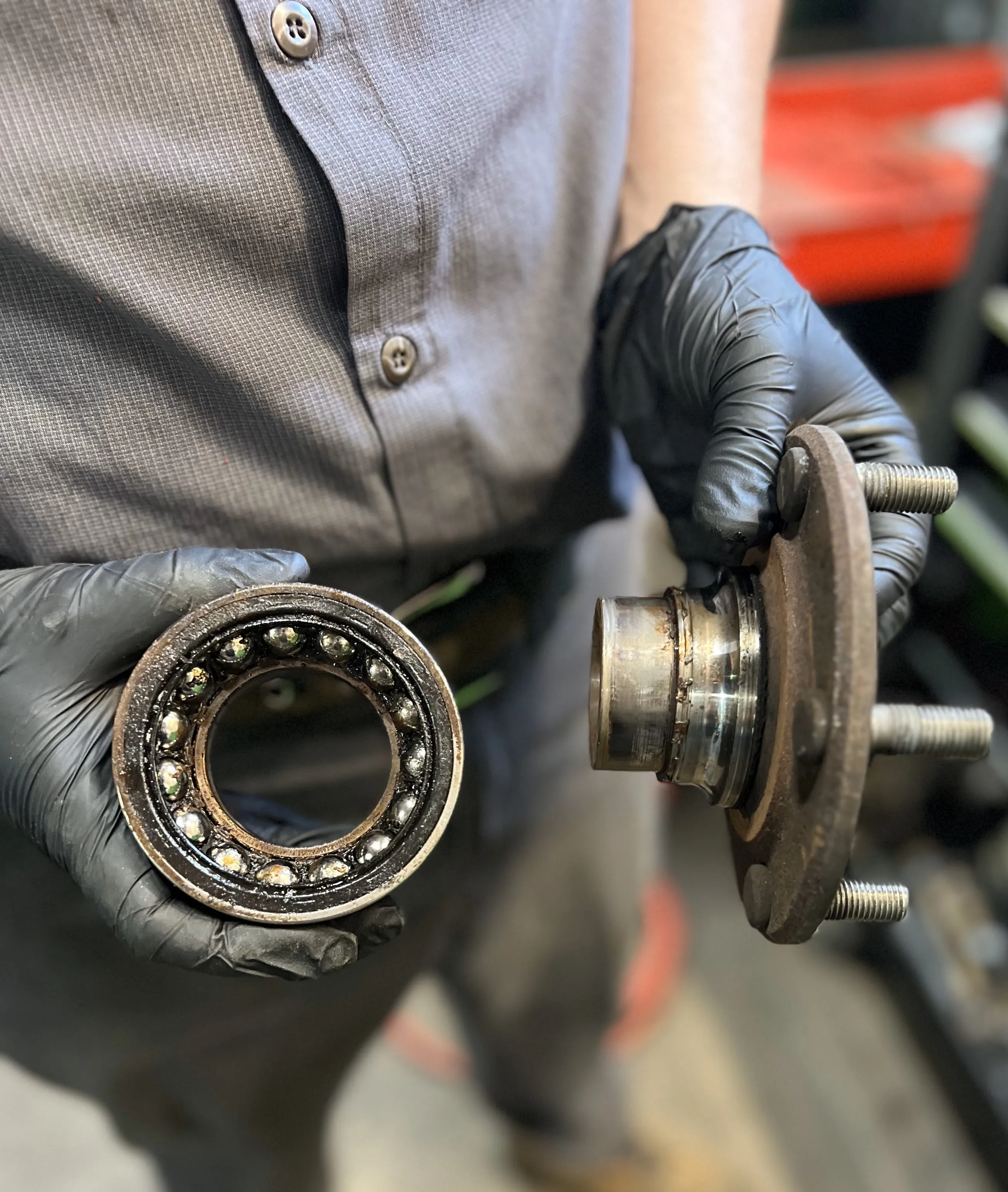
      Have you ever been driving down the road and noticed a roaring noise? It starts off as a faint noise and gradually gets louder over time. Maybe you have been riding in a friend or family member’s car and as soon as you pull out into traffic, you hear a rubbing or grinding noise. This could be a sign that the wheel bearings are starting to fail. Below you will find out what the wheel bearings do, why they are important, and even what happens when they fail. 

      What a Wheel Bearing/Hub Assembly Does

      • Wheel Bearing: This is a set of steel balls or rollers held together by a metal ring. It helps the wheel rotate smoothly with minimal friction.
      • Hub Assembly: This includes the wheel bearing and the hub itself, which is the mounting assembly for the wheel.

      Why It's Important

      • Smooth Rotation: The wheel bearing allows the wheels to spin with minimal friction, ensuring a smooth and efficient ride.
      • Safety: A well-functioning wheel bearing supports the vehicle's weight and maintains proper wheel alignment, which is essential for safe handling.
      • Longevity: Properly functioning bearings reduce wear and tear on tires and other suspension components, extending their lifespan.

      How to Maintain It

      • Regular Inspections: Check for any unusual noises or vibrations. During routine maintenance, have a professional inspect the bearings.
      • Keep It Clean: Ensure the bearings are free of dirt and debris. This might involve cleaning and repacking them with grease if they are not sealed units.
      • Timely Replacement: Bearings wear out over time. Replace them as recommended by your vehicle’s maintenance schedule or if they show signs of wear.

      Signs It's Going Bad

      • Noise: A bad wheel bearing often makes a growling, humming, or grinding noise that increases with speed. It might sound like metal rubbing on metal.
      • Vibration: You may feel vibrations in the steering wheel, especially at higher speeds.
      • Wheel Play: If you lift the car and wiggle the wheel, excessive movement can indicate a worn bearing.
      • Uneven Tire Wear: Bad bearings can cause uneven tire wear, as they affect the alignment and balance of the wheel.

      Consequences of Wheel Bearing Failure

      1. Increased Noise: As the bearings deteriorate, the noise becomes louder, starting as a faint hum or growl and escalating to a loud grinding or roaring sound.
      2. Poor Handling: Failed bearings can cause the vehicle to handle poorly, making it feel loose or unstable, especially during turns.
      3. Vibrations: Excessive vibrations can be felt through the steering wheel or the vehicle’s body, making driving uncomfortable and difficult to control.
      4. Wheel Looseness: Severe bearing wear can cause the wheel to become loose or wobbly, affecting the car's alignment and steering.
      5. Uneven Tire Wear: Bad bearings can lead to uneven tire wear, shortening tire life and affecting stability and handling.
      6. Brake System Issues: Wheel bearing failure can impact the brake system, leading to longer stopping distances or brake pedal pulsation.
      7. Increased Friction and Heat: Failed bearings create more friction and heat, potentially causing the wheel to lock up or detach, leading to catastrophic accidents.
      8. Potential for Wheel Detachment: In extreme cases, a failed bearing can cause the wheel to detach from the vehicle, posing severe safety risks and potentially causing accidents.

      Preventing Failure

      Regular maintenance and timely replacement of worn bearings are crucial to avoid severe consequences. If you notice any signs of bearing failure, such as unusual noises, vibrations, or poor handling, it's essential to have your vehicle inspected and repaired by a professional immediately. Ignoring these signs can lead to more extensive damage and pose significant safety risks.

      05/20/2024Read more
    • How often should I service my Tesla? Image

      How often should I service my Tesla?

      We have been asked that question quite a bit recently. Electric vehicles, like Tesla, do not have gas-powered drive systems and therefore do not require oil changes, however, that is where the difference between electric and gas-powered vehicles ends. Many owners think that because they do not need to get the oil changed every 5,000 miles there isn’t a need to schedule maintenance, but that is a misconception. There are still many parts, like the braking system, A/C, and tires, that require regular maintenance and service for the optimal life of the vehicle. 

      Maintaining a Tesla involves a combination of routine checks, software updates, and occasional part replacements. Here's a breakdown of some key maintenance services:

      1. Regular Inspections: Tesla recommends regular inspections, typically once a year or every 12,500 miles, to ensure the vehicle's overall health. These inspections often include checking the condition of brakes, tires, suspension components, and fluid levels.
      2. Software Updates: Tesla regularly releases over-the-air software updates to enhance vehicle performance, add new features, and address any issues. Keeping your Tesla up to date with the latest software helps maintain optimal functionality and safety.
      3. Tire Rotation and Alignment: Like any vehicle, regular tire rotation and alignment are essential for even tire wear and optimal handling. It is recommended to rotate tires every 5,000 to 7,000 miles.
      4. 12-Volt Battery Replacement: Tesla vehicles have a conventional 12-volt battery, similar to traditional cars, which powers systems like lights, infotainment, and HVAC when the vehicle is off. The 12-volt battery may need replacement every few years, depending on usage and environmental factors.
      5. HVAC System Maintenance: The Heating, Ventilation, and Air Conditioning (HVAC) system should be checked periodically to ensure proper operation and cabin comfort. This may involve inspecting filters, ducts, and components for any issues. The cabin filters should also be replaced every 6-12 months.
      6. Brake Fluid Replacement: Tesla recommends replacing brake fluid every two years to maintain braking performance and prevent moisture buildup in the brake system, which could lead to corrosion and reduced effectiveness.
      7. Pyro Fuse Replacement: The Pyro Fuse is a safety component in Tesla vehicles that helps protect the high-voltage battery in the event of a collision or other high-current event. It's designed to disconnect the battery from the rest of the vehicle's electrical system to reduce the risk of fire or electrical shock. In the event of deployment, the Pyro Fuse typically needs to be replaced by a certified technician.
      8. Wiper Blade replacement: It is recommended that the wiper blades be replaced every 6 months to prevent streaking and noise.
      9. Front and Rear Differential Oil Service: Tesla motors have oil and a filter that needs to be serviced just like engine oil. Tesla recommends replacing the differential oil and filters every 30,000 miles.
      10. Clean, Lubricate, and Inspect Brake Calipers: Despite the regenerative braking system in Tesla vehicles, it's still important to inspect the brakes periodically. While regenerative braking reduces wear on brake components, traditional friction brakes are still used for sudden stops or aggressive braking. Regular inspections help ensure optimal braking performance, safety, and early detection of any potential issues such as worn brake pads or warped rotors. It is recommended that this service be done yearly or 15,000 miles.

      Overall, Tesla's maintenance requirements are relatively low compared to traditional internal combustion engine vehicles, thanks to their simpler drivetrains and fewer moving parts. However, regular inspections and timely part replacements are still crucial for ensuring the longevity and safety of your Tesla.

      05/13/2024Read more
    •  Image

      What are the Pros and Cons of a Suspension Lift Kit?

      Installing a lift kit on a truck can have several pros and cons, and when considering the installation, it's crucial to weigh the benefits of high-end, all-inclusive kits against the drawbacks of partial, less expensive options.

      On the positive side, a lift kit enhances off-road performance by increasing ground clearance, improving visibility, and providing space for larger tires, ultimately maximizing traction and customization potential. High-end kits prioritize safety and durability, with features designed to maintain stability and minimize wear on suspension components. Additionally, a lifted truck typically enjoys better approach and departure angles, reducing the risk of getting stuck or damaged when encountering obstacles.

      However, there are drawbacks to installing a lift kit as well, especially with partial, less expensive options. It can affect the truck's handling and stability, particularly during cornering and at high speeds, and may increase the risk of tipping over due to a higher center of gravity. Moreover, the additional weight and altered aerodynamics can lead to reduced fuel efficiency, while the strain on suspension components may result in increased maintenance needs. Partial kits may lack essential components or features, leading to inferior performance, reduced safety, and increased maintenance requirements over time.

      Investing in a high-end, all-inclusive lift kit ensures that your truck is equipped with top-notch components and engineering, delivering superior performance, longevity, and peace of mind. Therefore, it's crucial to carefully weigh the pros and cons before deciding to install a lift kit and seek professional installation to ensure safety and functionality.

      04/30/2024Read more
    • Why are tire air pressure sensors important? Image

      Why are tire air pressure sensors important?

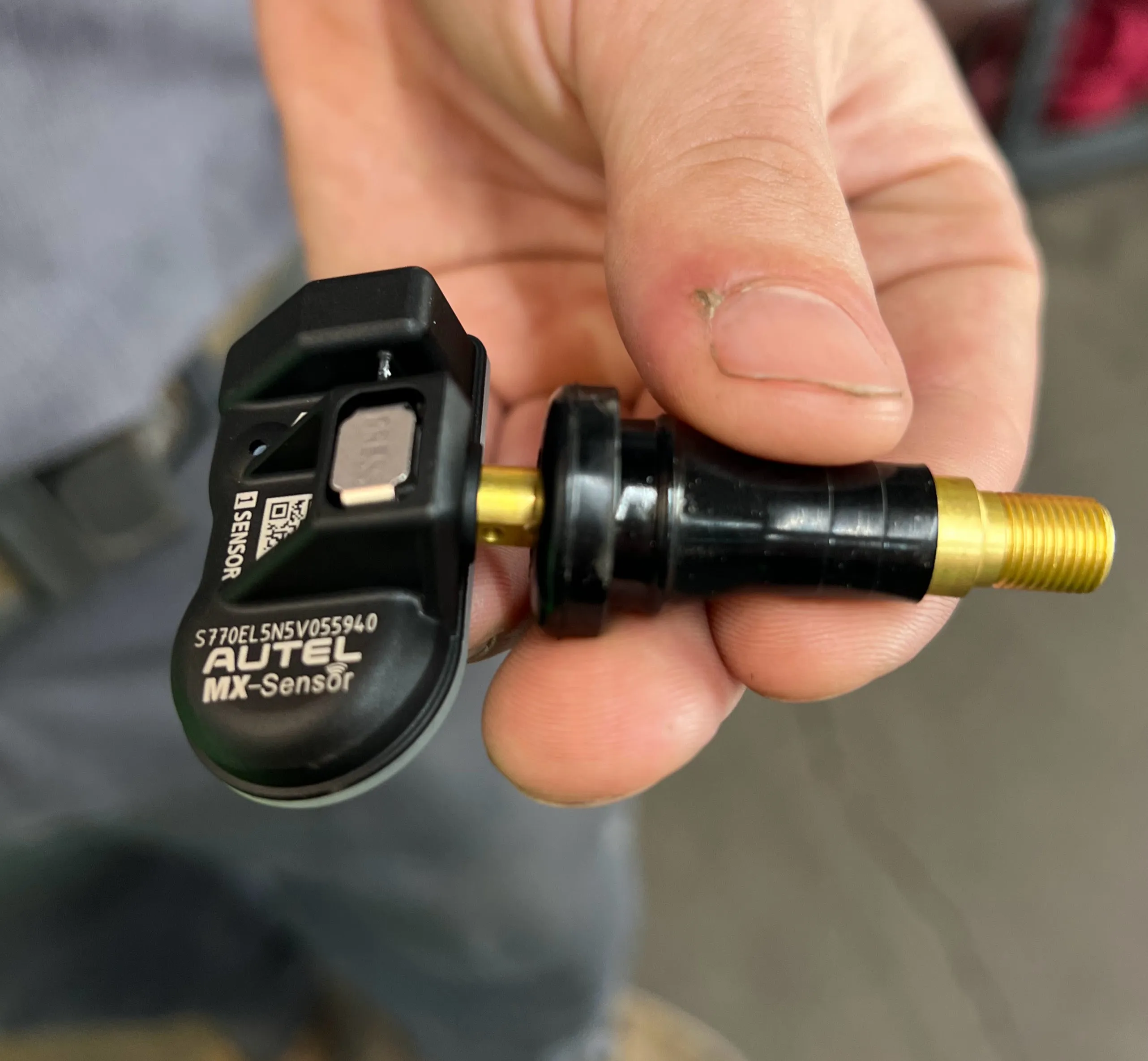
      Tire pressure sensors are crucial components in modern vehicles, designed to monitor the air pressure inside each tire and alert drivers when pressure drops below a certain threshold. Maintaining correct tire pressure is essential for several reasons, including safety, fuel efficiency, tire longevity, and overall vehicle performance.

      History of Tire Pressure Sensors:

      The history of tire pressure monitoring systems (TPMS) dates back several decades. Early systems relied on indirect methods, such as monitoring wheel speed, to detect changes in tire pressure. However, these systems were not always accurate or reliable.

      In the late 1990s and early 2000s, TPMS became more advanced with the introduction of direct tire pressure sensors. These sensors are typically located inside each tire, either attached to the valve stem or integrated into the tire's inner lining. They continuously monitor tire pressure and transmit data to the vehicle's onboard computer system.

      Why Tire Pressure Sensors Are Required:

      1. Regulatory Compliance

        In the United States, the National Highway Traffic Safety Administration (NHTSA) mandated the installation of TPMS in all new passenger vehicles and light trucks manufactured after September 1, 2007. This regulation was enacted to improve vehicle safety and reduce the number of accidents caused by underinflated tires.
      2. Early Warning System

        Tire pressure sensors serve as an early warning system, alerting drivers to potential tire pressure issues before they become serious safety hazards. By detecting low tire pressure promptly, drivers can take corrective action, such as inflating the tires or addressing any underlying issues.
      3. Convenience

        TPMS provides convenience for drivers by eliminating the need for manual tire pressure checks. Instead of relying on visual inspections or tire pressure gauges, drivers receive real-time information about their tire pressure status, enhancing convenience and peace of mind.

      Importance of Maintaining Correct Tire Pressure:

      1. Safety

        Proper tire pressure ensures optimal traction, stability, and handling, especially during braking and cornering. Underinflated tires can lead to increased stopping distances and a higher risk of skidding or loss of control, particularly in adverse weather conditions.
      2. Fuel Efficiency

        When tires are properly inflated, there is less rolling resistance, which means the engine doesn't have to work as hard to move the vehicle. This can result in improved fuel efficiency and reduced carbon emissions.
      3. Tire Longevity

        Incorrect tire pressure can cause uneven tire wear, leading to premature tire replacement. By maintaining the recommended pressure, you can extend the lifespan of your tires and save money in the long run.
      4. Vehicle Performance

         Properly inflated tires contribute to overall vehicle performance, including steering response, braking effectiveness, and ride comfort. Vehicles with correctly inflated tires tend to handle better and provide a smoother driving experience.

      In summary, tire pressure sensors play a vital role in vehicle safety, performance, and efficiency. By maintaining correct tire pressure and heeding the warnings provided by TPMS, drivers can enhance safety on the road, prolong tire life, and improve the overall driving experience.

      04/22/2024Read more
    •  Image

      Why are my Brakes Grinding?

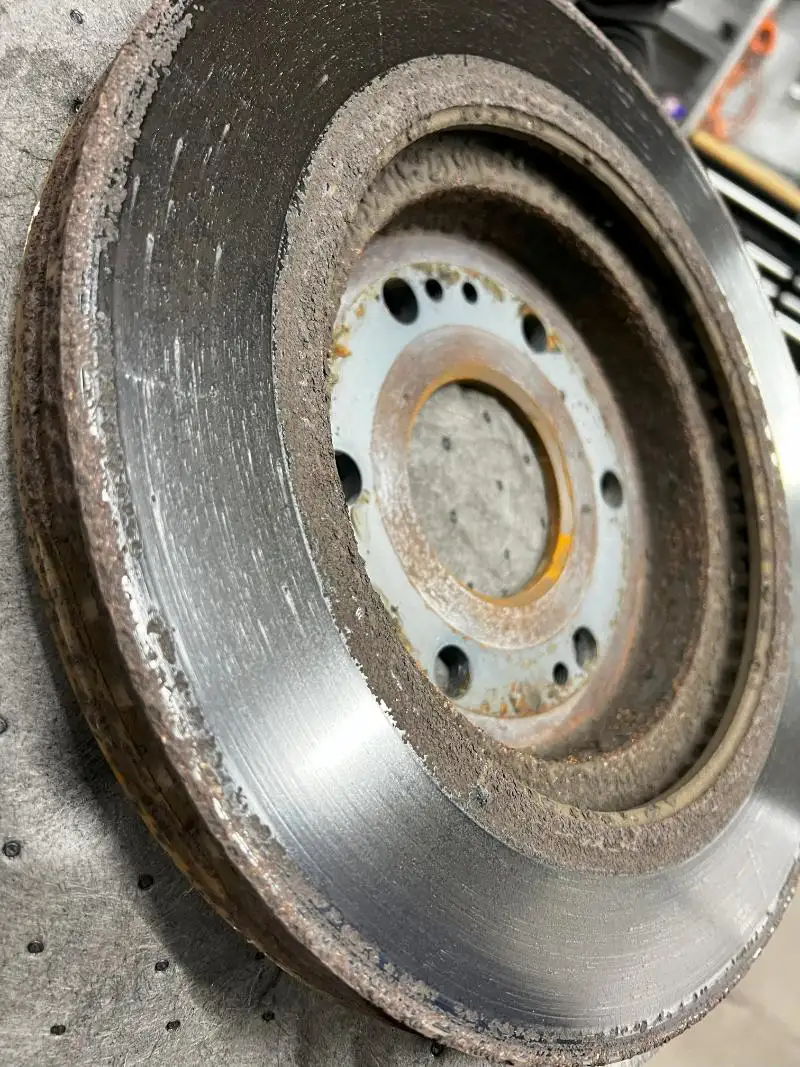
      Let's talk brakes. They're the unsung heroes of your car, ensuring you stop safely whenever you need to. But what happens when those brakes start showing signs of rust? Well, it's time to take action.

      Imagine this scenario: You're driving along, and everything seems fine, but then you need to hit the brakes unexpectedly. Suddenly, you realize your car's not stopping as smoothly as it used to. Rusty brake rotors could be the culprit here. 

      So, what causes these pesky rust spots on your brake rotors? Well, it could be a combination of things like exposure to moisture, road salt, or simply age and wear. Over time, these factors can cause rust to form on your brake rotors, affecting their performance.

      Here's the scoop: Rust on your brake rotors can affect how quickly and smoothly your car stops. It's not just an inconvenience – it's a safety concern too. That's why addressing rusty brake rotors is crucial for keeping you and your passengers safe on the road.

      But don't worry! At Scott's Ivy Exxon, we've got you covered. Our team specializes in replacing rusty brake rotors with shiny new ones. It's like giving your car a fresh start, ensuring your brakes work flawlessly every time you hit the pedal.

      So, why wait? Let's get those rusty rotors sorted out and keep you rolling smoothly and safely. Your car will thank you for it, and you'll have peace of mind knowing your brakes are in top-notch condition.

      Stop by Scott's Ivy Exxon today, and let's keep you cruising with confidence!

      Safe travels,

      Scott's Ivy Exxon

      03/28/2024Read more
    • What is the True Cost of Ownership Image

      What is the True Cost of Ownership

      Edmunds' True Cost to Own® (TCO) is a tool that helps car buyers and owners understand the real costs of owning a vehicle over time. Instead of just looking at the purchase price, TCO breaks down the total expenses that come with owning a car, so you can make a more informed decision. Here's what it covers: Depreciation: What it is: The decline ...

      09/12/2024Read more
    • Coming Soon: Scott’s Ivy Exxon Expansion Image

      Coming Soon: Scott’s Ivy Exxon Expansion

      We have been saying this for a while now, but we are officially one step closer. We have an approved building permit and hope to be breaking ground within the month. Here is a brief timeline of events to this point. 2017 We started developing plans for the building expansion. We contracted an architect and got to work.2020 We obtained approval from ...

      07/30/2024Read more
    • Winter Weather Driving Tips Image

      Winter Weather Driving Tips

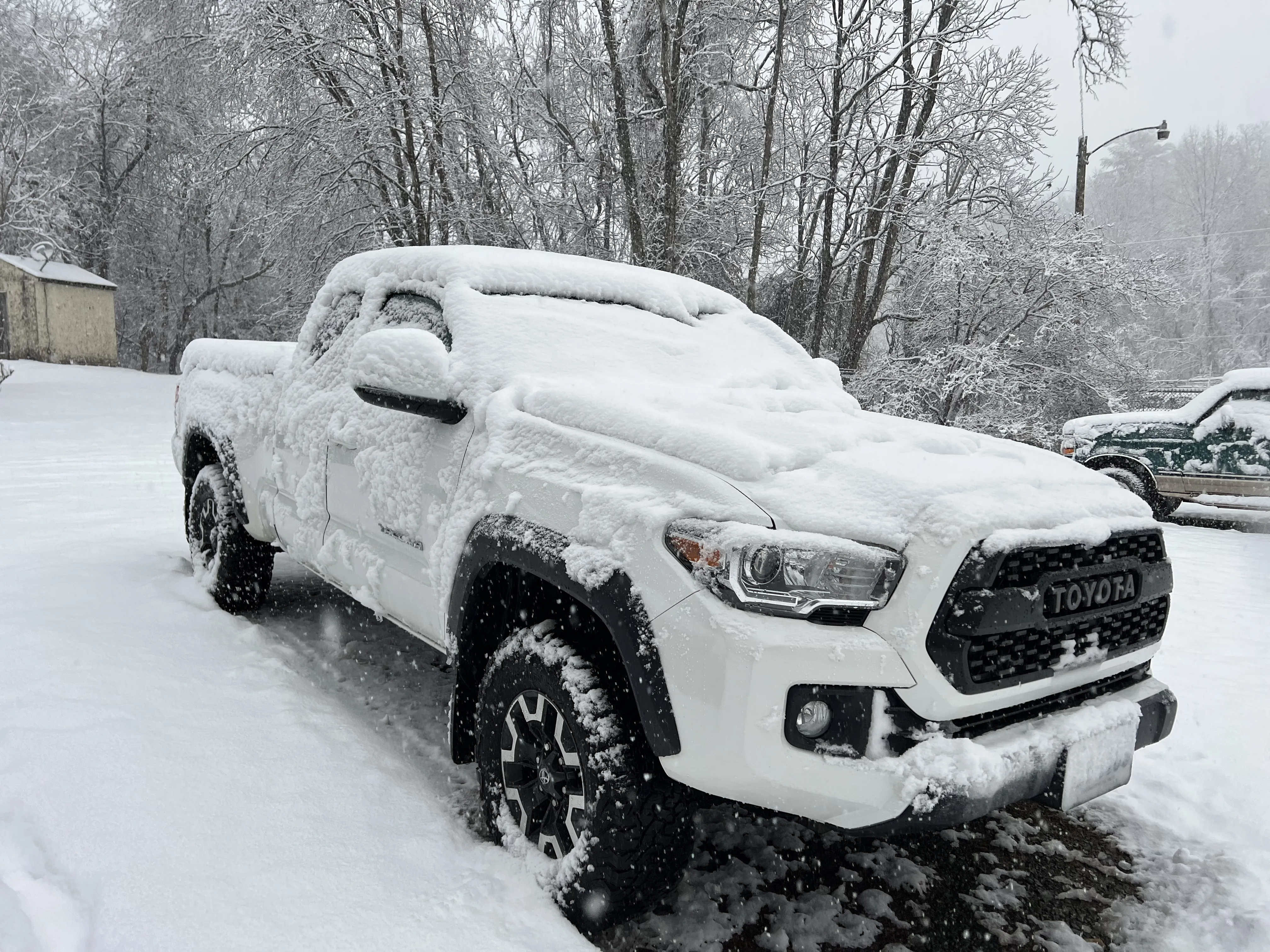
      Snow and ice are fairly common in the Charlottesville area; however, it has been less frequent over the last few years.  Here are a few tips to keep in mind when driving in snow and icy.


      ·      Prepare your car: Make sure your car is winterized with fresh antifreeze, a good battery, and oil that can withstand cold weather. Also, keep your windshield and windows clear, and keep a snowbrush and scraper in your vehicle.


      ·      Slow down: It's harder to stop on snow or ice, so increase your following distance and slow down.


      ·      Drive defensively: Avoid travel when possible and don't turn on cruise control in slippery conditions.


      ·      Be aware of your surroundings: Keep your eyes open for pedestrians, and be aware of what the road looks like in front of you.


      ·      Drive uphill with momentum: Start accelerating before you reach the hill so you have enough momentum to reach the top.


      ·      If you stall: Stay with your car, keep your dome light on, and put bright markers on your antenna or windows to let others see you. Run your car only sporadically to stay warm, and be mindful of carbon monoxide poisoning.

      12/10/2024Read more
    • Do Your Windshield Wipers Need Replacing? Image

      Do Your Windshield Wipers Need Replacing?

      It’s that time of year when seasonal changes can cause wiper blades to get dry and brittle. If you haven’t needed to use your wipers in a while, you may not realize that they are damages until it’s too late. 


      Here are some signs that your windshield wipers need to be replaced:


      Streaks: Your wipers are leaving streaks or smudges on your windshield. This could be because they're the wrong size for your car, or they're brittle or worn out.

       Chattering: Your wipers are making a chattering or skipping sound. This is because the rubber on the blades has deteriorated and lost friction.

      Cracked blades: The rubber on your wiper blades is cracked instead of smooth.

      Unusual noises: You hear a scraping or squeaking noise as your wiper blades move across your windshield.

      Bent frames: The metal part of the wiper blades is damaged and misshaped.

       Wiper speed decreases: Your wiper blades are moving slower, or they only operate at one speed.

      Season changes: It's recommended to replace your wiper blades at least twice per year, once in the spring and once in the fall.


      Driving in rain, snow, or dust can be difficult and dangerous without good windshield wiper blades. Stop in today for a quick wiper blade check.

      11/20/2024Read more
    • Winterizing Your Car: Essential Tips for Cold Weather Readiness Image

      Winterizing Your Car: Essential Tips for Cold Weather Readiness

      As the days grow shorter and temperatures drop, it’s time to prepare your vehicle for the winter months ahead. Winterizing your car not only ensures your safety but also helps extend the life of your vehicle. Here’s a comprehensive guide to getting your car ready for the colder season.

      1. Check the Battery

      Cold weather can be tough on car batteries. Make sure to:

      • Test Your Battery: Have it tested at an auto shop to ensure it’s holding a charge.
      • Clean the Terminals: Remove any corrosion and tighten connections.
      • Consider Replacement: If your battery is over three years old, consider replacing it as a precaution.

      2. Inspect Your Tires

      Proper tire maintenance is crucial for winter driving. Here’s what to do:

      • Check Tread Depth: Use the penny test to ensure your tires have adequate tread. If you can see Lincoln’s entire head, it’s time for new tires.
      • Inflate to the Right Pressure: Cold temperatures can cause tire pressure to drop, so check and adjust accordingly.
      • Consider Winter Tires: If you live in an area with heavy snowfall, winter tires can provide better traction.

      3. Replace Wiper Blades and Check Fluid Levels

      Visibility is key in winter driving. Ensure your wipers are up to the task:

      • Replace Wiper Blades: Old or worn blades can lead to streaky visibility. Opt for winter wiper blades for better performance in ice and snow.
      • Top Off Wiper Fluid: Use a winter formula that won’t freeze and keep your windshield clear.

      4. Check Antifreeze Levels

      Preventing your engine from freezing is vital:

      • Test Antifreeze: Check the coolant level and condition. A 50/50 mix of antifreeze and water is ideal for winter.
      • Inspect Hoses and Belts: Look for any cracks or wear that could lead to leaks or failures.

      5. Prepare an Emergency Kit

      Winter driving can sometimes lead to unexpected situations. Having an emergency kit can be a lifesaver:

      • Include Essentials: Pack blankets, a flashlight, water, non-perishable snacks, a first-aid kit, and a basic tool kit.
      • Add Winter-Specific Items: Consider including a snow shovel, ice scraper, and jumper cables.

      6. Change Oil and Filters

      Cold weather can affect your engine's performance:

      • Use the Right Oil: Switch to a winter-grade oil if recommended by your vehicle's manufacturer.
      • Change Filters: A clean oil filter helps maintain engine efficiency, especially in colder temperatures.

      7. Inspect Brakes and Lights

      Safety should always come first:

      • Check Brake Pads: Make sure your brakes are in good condition for stopping on icy roads.
      • Test All Lights: Ensure headlights, brake lights, and turn signals are functioning properly to enhance visibility and safety.

      8. Protect Your Car’s Exterior

      Winter can be harsh on your vehicle's finish:

      • Wash and Wax: Remove dirt and salt from your car’s exterior and apply a coat of wax for protection.
      • Consider Undercoating: If you live in a region that uses road salt, consider getting an undercoating to protect against rust.

      Taking the time to winterize your car can save you from costly repairs and ensure your safety on the road. With these tips, you can drive with confidence, knowing your vehicle is prepared for whatever winter throws your way. Don’t wait until the first snow—start your winter preparations today! Safe travels!

      10/08/2024Read more
    • 36 Month 36000 Miles Warranty
    • BBB ACREDITED BUSINESS A PLUS RATING
    • Virginia Auto Association
    • Napa Gold
    • ASE
    • BG LOGO
    • ATI Automotive Training Institute
    Google Maps is loading